You’ve probably been there. You’re on your phone, you’ve found the perfect gift, and you’re ready to pull the trigger. Then it happens. The site asks you to create an account. Then it asks for your billing address, shipping address, and sixteen digits of credit card glory. By the time you find your wallet, the urge to buy has evaporated. You close the tab. This isn't just a personal annoyance for you. It's a massive financial leak for businesses. In 2026, cart abandonment sits at a staggering 70.19%. That translates to billions of dollars in lost orders every year. The difference between a sale and a "maybe next time" usually comes down to how much friction you put in front of your customer. If you want to keep your revenue flowing, you need a payment processing service that turns the checkout into a breeze. It's about more than just moving money from point A to point B. It's about creating an experience so smooth that the customer barely notices they're spending money.
The Core Components of Frictionless Payment Processing Services
What makes a checkout feel breezy? It starts with speed. We live in an era of instant gratification. If your payment page takes more than two seconds to load, you've already lost a chunk of your audience. Every second of delay can slash your conversion rate by 7%. You need a provider with low latency and near-perfect uptime. If your processor goes down during a holiday sale, your brand's reputation goes down with it.
Then there’s the security side of things. You want your customers to feel safe, but you don't want them to feel like they're going through a TSA checkpoint. Modern services use tokenization and background fraud detection to keep things secure without adding extra steps. The best systems, like Stripe Radar, use AI to spot the bad guys while letting legitimate customers sail through.
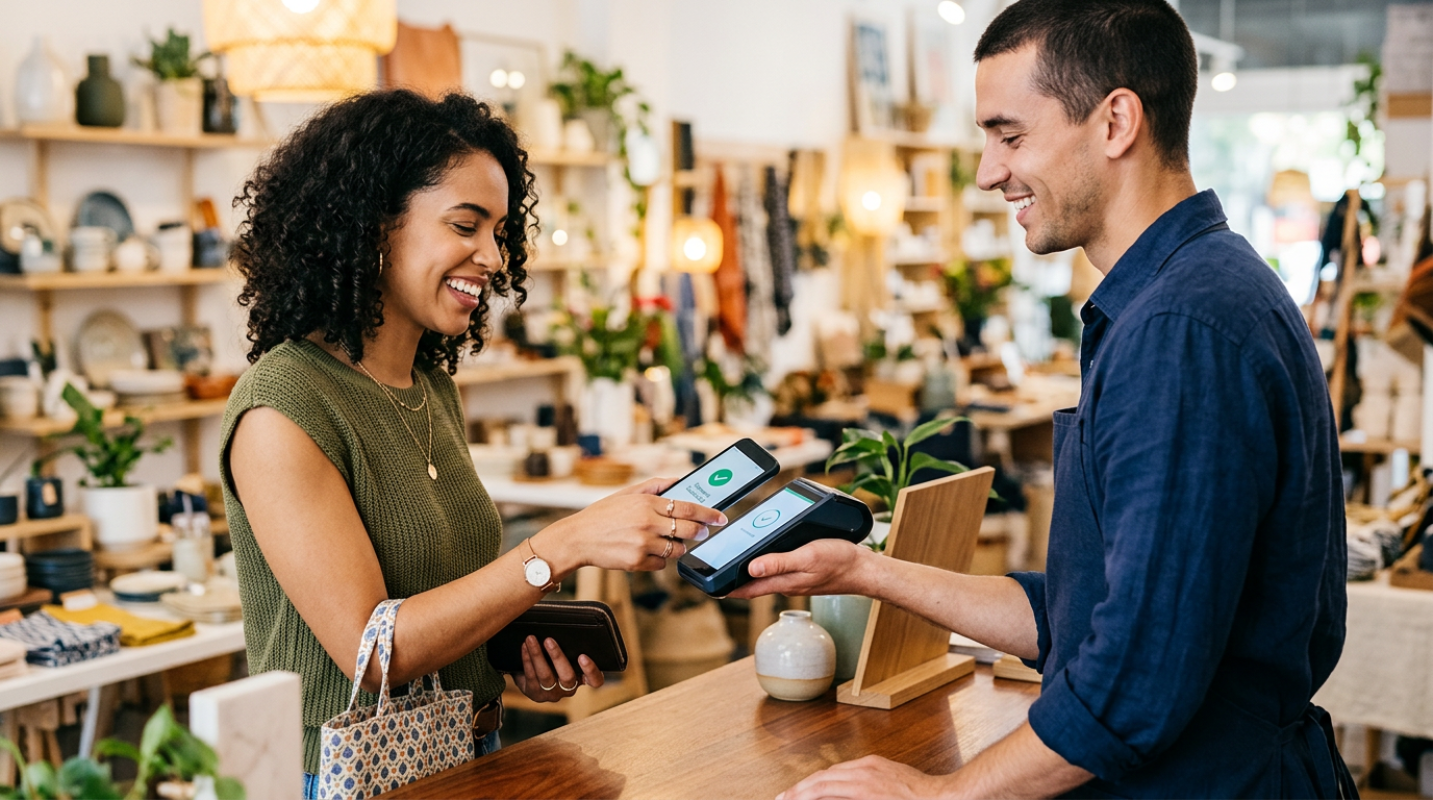
Mobile optimization is the final piece of the puzzle. Since about 75% of web traffic now comes from mobile devices, your checkout has to be thumb-friendly. This means integrating digital wallets like Apple Pay and Google Pay. These tools allow for biometric authentication. A quick glance at a phone or a thumbprint on a sensor is all it takes to finish a transaction. Businesses that use these report a 20% higher conversion rate because they remove the need for typing altogether.
Features that Elevate the Checkout Experience
Once you have the speed and security handled, you can start looking at the features that really set the top-tier services apart. One of the biggest wins is an integrated UX. Have you ever been redirected to a clunky, third-party site to finish a payment? It feels sketchy. It breaks the trust you’ve built. The best payment processing services allow you to embed the payment form directly into your site, keeping the look and feel consistent.
If you run a business with recurring revenue, subscription management is a lifesaver. You shouldn't have to manually chase down payments every month. A good processor handles automated billing, manages failed payments with "smart retries," and even updates expired card info in the background. It’s the digital equivalent of a set-it-and-forget-it slow cooker.
Don't forget about the global side of things. Even if you're a small shop in Ohio, someone in Tokyo might want your product. If your checkout doesn't support their currency or their preferred local payment method, they're gone. Localization isn't just a nice feature anymore. It's a requirement for growth. Offering the right local payment options can prevent the 61% of customers who abandon carts simply because their preferred method wasn't available.
Comparing Top Payment Processing Services
So, who are the heavy hitters in 2026? There isn't a one-size-fits-all answer, but a few names consistently rise to the top of the pile. Your choice depends on your business size, your technical skills, and where you sell.
Stripe is often the go-to for anyone who wants a highly customizable experience. They claim their "Optimized Checkout Suite" can boost revenue by over 10% just by using their pre-built, high-conversion interfaces. It’s a developer’s dream, but it’s also become much easier for non-techies to use through various plugins and integrations.
Square, on the other hand, is the king of the "phygital" world. If you have a physical storefront and an online shop, Square syncs them perfectly. It’s incredibly easy to set up. You can go from "I want to sell things" to "I am selling things" in a matter of minutes.
For the big players, Adyen is the silent engine behind giants like Uber and eBay. They focus on "Unified Commerce," which is a fancy way of saying they handle everything everywhere. They use AI-driven optimization to make sure the highest possible authorization rates, which matters when you're processing billions in transactions.
Top Recommendations
• Stripe: Best for tech-savvy businesses and SaaS companies that need deep customization and a suite of tools to increase conversion rates.
• Square: Best for retail businesses and small shops that need a seamless connection between their physical point-of-sale and their online store.
• PayPal: Best for building immediate trust with new customers who might be hesitant to share card details with an unfamiliar brand.
• Adyen: Best for enterprise-level businesses that operate globally and need a sophisticated, all-in-one platform for high-volume processing.
• Shop Pay: Best for Shopify merchants, offering a one-click checkout experience that significantly outperforms standard mobile checkouts.²
Future-Proofing Your Sales Funnel with Smart Payments
Selecting a payment processor isn't a "one and done" decision. The space is shifting fast. We're already seeing biometrics move beyond the phone and into the browser itself. Open Banking is also gaining steam, allowing customers to pay directly from their bank accounts with more security and lower fees for the merchant.
What does this mean for you? It means you need to stay flexible. The processor you choose today should be one that’s actively investing in these new technologies. You don't want to be the merchant still asking for a CVV code when everyone else is paying with a facial scan.
If you’re just starting out, prioritize ease of integration. Look for transparent pricing. Avoid hidden fees that eat into your margins. As you grow, you might transition to a provider that offers "Interchange++" pricing, which is often more cost-effective for high-volume sellers.
Ultimately, the goal is to make the payment invisible. When the checkout is a breeze, the customer focuses on the excitement of their purchase, not the hassle of the transaction. That’s how you build loyalty, and more importantly, that’s how you build a business that lasts.
This article on rotechno.com is for informational and educational purposes only. Readers are encouraged to consult qualified professionals and verify details with official sources before making decisions. This content does not constitute professional advice.