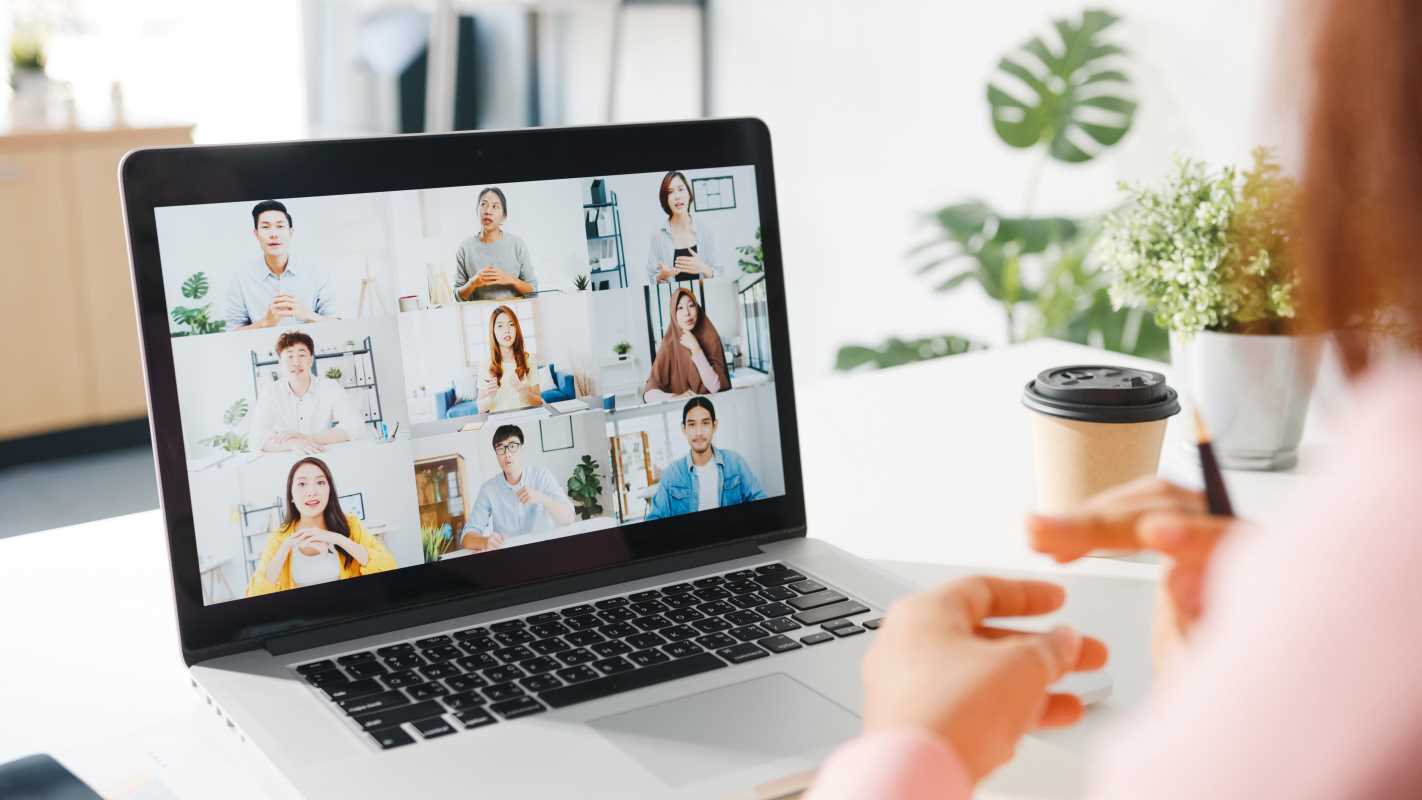
Once upon a time, working from home felt like a rare treat. It was something you only got to do if the pipes burst in your office building or if a massive blizzard buried the city in three feet of snow. But now, for millions of people, the home office is just the office. We have traded cubicles for kitchen tables and water cooler gossip for Slack channels. While working in sweatpants sounds like a dream come true, the reality of remote work can sometimes feel a bit isolating. Without the daily buzz of an office, it is easy for teams to feel disconnected and for morale to slowly dip. The good news is that smart companies are figuring out that remote work does not have to mean lonely work. By creating thoughtful, people-first policies, businesses can actually boost happiness and bring their teams closer together, even when they are thousands of miles apart. It is all about shifting the focus from simply "getting work done" to creating a culture where people feel trusted, supported, and genuinely connected.
The "Work When You Work Best" Policy
One of the biggest morale killers in the remote world is the pressure to be constantly available. Just because your laptop is in your living room does not mean you should be answering emails at dinner time. A policy that embraces flexible hours is a huge game-changer for employee happiness. This is often called "asynchronous work." Instead of forcing everyone to sit at their desks from exactly nine to five, companies can set core hours—say, from 11 AM to 2 PM—where everyone needs to be available for meetings. Outside of that window, employees are free to structure their day however they like. If someone is an early bird who loves crushing tasks at dawn, they can do that. If someone else needs to take a two-hour break in the afternoon to pick up their kids or go for a run, that is totally fine too. This approach treats employees like responsible adults. It acknowledges that everyone has different energy peaks and life responsibilities. When people have control over their own schedules, their stress levels drop, and their job satisfaction shoots through the roof.
Mandatory "No-Meeting" Days
We have all suffered through "Zoom fatigue." Staring at a grid of faces on a screen for eight hours straight is exhausting in a way that in-person meetings never were. It drains your energy and leaves you with very little brainpower for actual deep work. To combat this, many forward-thinking companies are implementing mandatory "no-meeting days." Imagine having an entire Wednesday completely free of video calls. No check-ins, no stand-ups, no "quick syncs." just a wide-open stretch of time to focus on big projects, write code, or design without interruption. This policy is a breath of fresh air for creative teams especially. It gives people permission to go into "do not disturb" mode without feeling guilty. Knowing you have a protected block of quiet time every week significantly lowers anxiety and helps people feel more productive and accomplished. It signals that the company values deep thinking just as much as talking.
Allowances for the Home Office Setup
It is hard to have high morale when you are working from a lumpy couch with a laptop that burns your legs. Physical comfort plays a huge role in how we feel about our jobs. If an employee is getting back pain from a dining chair or squinting at a tiny screen all day, they are going to be grumpy and less productive. A fantastic policy is to provide a stipend specifically for home office upgrades. This allows employees to buy a proper ergonomic chair, a second monitor, a standing desk, or even just high-quality noise-canceling headphones. It is a tangible way for a company to show they care about their employees' physical well-being. When a company invests in your comfort, you feel valued. Plus, having a professional, comfortable workspace at home helps create a mental separation between "work mode" and "relax mode," which is crucial for preventing burnout.
Mental Health Days Are Sick Days
In the past, you usually only called in sick if you had a fever or were contagious. But mental health is just as important as physical health, especially in a remote environment where the lines between work and life are blurry. A progressive policy explicitly states that sick days can and should be used for mental health. If an employee is feeling overwhelmed, anxious, or just plain burned out, they should feel safe taking a day off to recharge without having to fake a cough. Some companies go a step further and offer "wellness days" on top of regular sick leave. This removes the stigma around mental health and encourages people to take care of themselves proactively. When employees know their company supports their mental well-being, they are more loyal, more engaged, and ultimately do better work. It creates a culture of empathy where it is okay to be human.