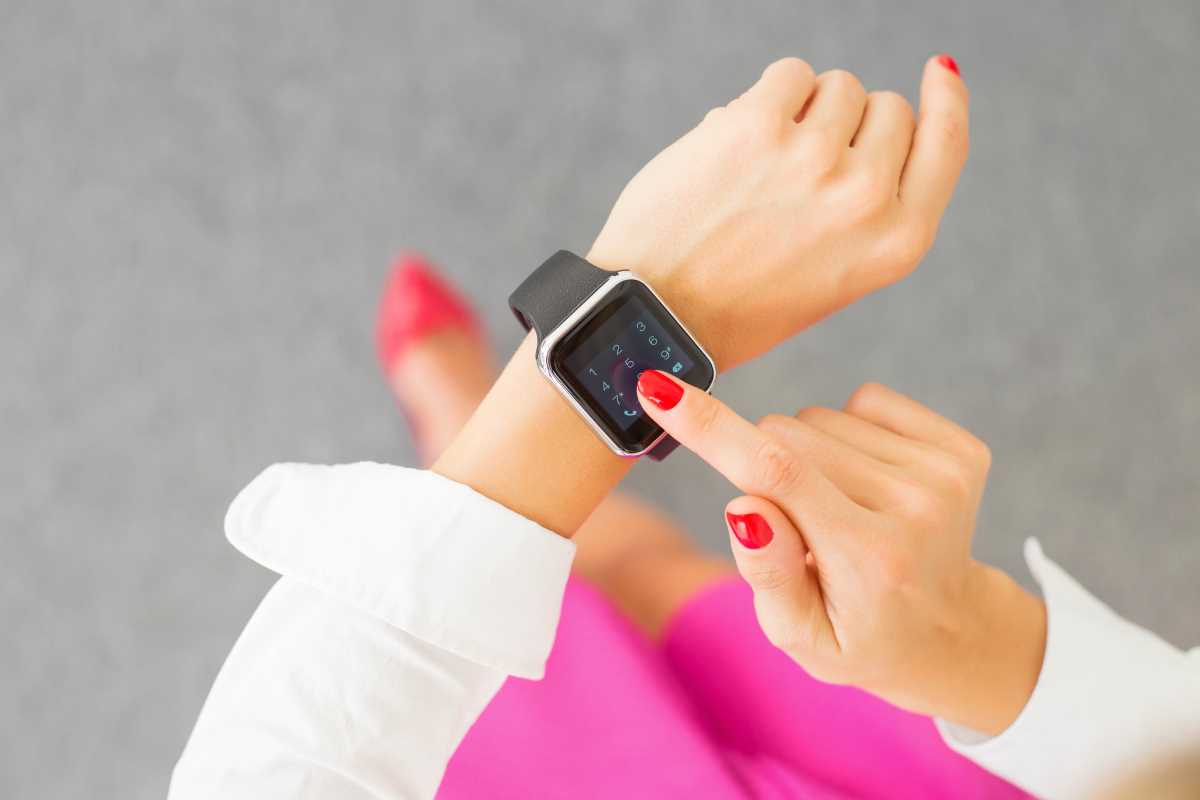
In the ever-expanding universe of digital wellness, we have reached a point where our accessories know more about our internal biology than we do. The "quantified self" movement has shifted from a niche hobby for data nerds into a mainstream obsession, with wearable gadgets now capable of tracking everything from your blood oxygen levels to the precise micro-second you drift into REM sleep. As of 2026, the technology has become so granular that it can predict when you’re getting sick before you even feel a sniffle, or suggest you take a rest day because your "strain" is too high. It’s a brave new world of bio-feedback, but there is a lingering irony: while these devices are masters of physiological data, they have yet to find a sensor for the mental exhaustion that comes from checking your stats fifty times a day.
The Data-Driven Human: Why We Track
The appeal of the modern wearable lies in the promise of control. By turning the messy, subjective experience of "feeling tired" into a concrete "Readiness Score," these gadgets provide a roadmap for optimization. We are no longer just living; we are managing a complex biological machine. However, the sheer volume of data—heart rate variability (HRV), skin temperature, respiratory rate, and VO2 max—can occasionally feel like a second job. The most successful gadgets in 2026 are those that move away from raw numbers and toward actionable, AI-driven insights that simplify the chaos.
7 Gadgets Tracking Your Every Move
If you are ready to surrender your biometrics to the cloud in exchange for peak performance, these seven devices represent the absolute cutting edge of the industry.
- Apple Watch Series 11: The gold standard for ecosystem integration, the Series 11 now features a 24-hour battery life and new hypertension alerts. It’s the ultimate all-rounder for those who want a clinical-grade health monitor that also handles their emails.
- Oura Ring 4: For those who hate the "sporty" look of a watch, the Oura Ring 4 is a masterpiece of discreet engineering. It remains the top choice for sleep tracking, using a new smart-sensing algorithm to map your recovery with eerie accuracy.
- Whoop 5.0: The minimalist’s dream. With no screen to distract you, Whoop focuses entirely on the relationship between strain and recovery. It’s popular with pro athletes because it tells you exactly how hard you can push your body each day.
- Garmin Fenix 8: The "tank" of wearables. With a battery that can last up to 29 days (thanks to solar charging) and unrivaled topographic mapping, this is for the adventurer who wants to track their heart rate while scaling a mountain in the middle of nowhere.
- Samsung Galaxy Watch 8: Taking a leaf out of the AI playbook, the Galaxy Watch 8 introduces "Bedtime Guidance" and an "Antioxidant Index," measuring carotenoid levels through the skin to give a snapshot of your nutritional health.
- Dexcom Stelo: A breakthrough in metabolic health, this is a non-prescription continuous glucose monitor (CGM). It tracks how your blood sugar reacts to specific foods in real-time—a fascinating, if slightly obsessive, way to hack your diet.
- Withings ScanWatch 2: For the traditionalist, this looks like a classic high-end analog watch. Hidden behind the physical hands is a medical-grade ECG and a heart rate sensor, proving you don't need a glowing screen to stay informed.
Essential Metrics to Monitor
While every device has its own "special sauce," the most valuable insights usually come from a combination of these core metrics:
- Heart Rate Variability (HRV): The secret sauce of recovery. A higher HRV usually indicates that your nervous system is balanced and ready for stress.
- Skin Temperature: Sudden spikes in overnight skin temperature are often the first sign that your body is fighting off an impending virus.
- Sleep Stages: It’s not just about how long you slept, but how much "Deep" and "REM" sleep you achieved to repair your body and mind.
- Blood Oxygen (SpO2): Crucial for detecting potential issues like sleep apnea or monitoring how your body adapts to high altitudes.
The Fine Line Between Insight and Obsession
As we move further into 2026, the challenge for wearable users isn't getting enough data—it's knowing when to stop looking at it. These gadgets provide a brilliant window into our health, but they can't measure the joy of a spontaneous late-night pizza or the peace of a morning where you don't care about your "Step Goal." The most "sane" way to use these 7 gadgets is as a compass, not a cage. They are tools to help you understand your baseline, so you can eventually learn to listen to your body without needing a notification to tell you how you feel.
Would you like me to compare the subscription costs of these devices to help you find the most budget-friendly option?