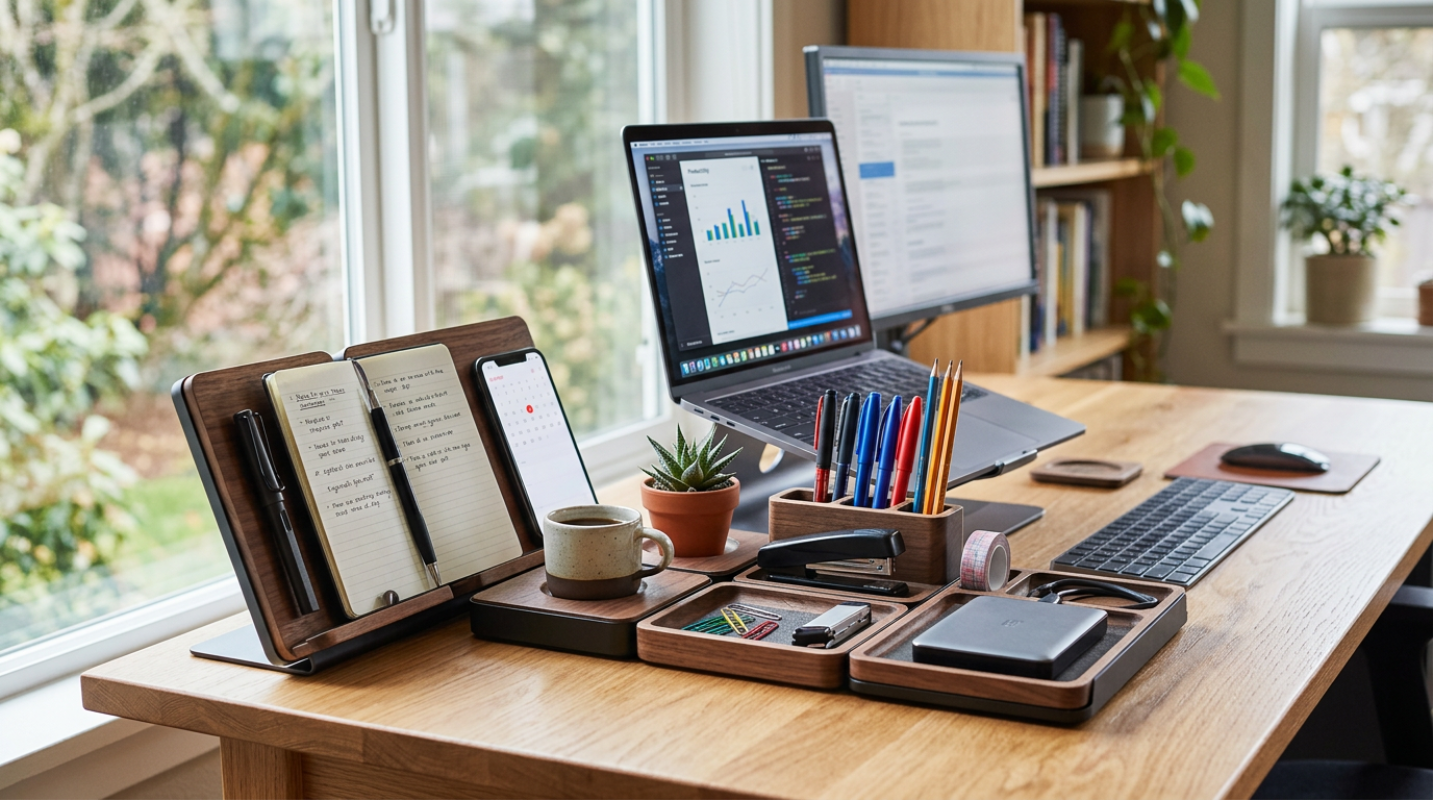
Have you ever looked at your desk and felt a minor pang of guilt? You're likely sitting there right now, surrounded by tools that were designed to be used once and forgotten. Think about that plastic ballpoint pen in your hand. It's a marvel of engineering, but it's also destined to sit in a landfill for five hundred years once the ink runs dry. The traditional office is a surprisingly heavy contributor to environmental waste. From non-recyclable packaging to the sheer volume of virgin wood pulp paper we churn through, the cumulative impact is massive. But things are changing fast. In 2026, the shift toward sustainable workspaces is no longer just a corporate trend for PR points. It's a business necessity. The global market for eco-friendly office supplies is expected to hit $25 billion by 2032. This growth is fueled by workers like you who are tired of the status quo. Transitioning to green supplies is one of the easiest, highest-impact steps you can take to align your daily grind with your values.
Beyond Recycled Paper
We've all used recycled paper that feels like sandpaper and looks like a grocery bag. Thankfully, those days are over. If you aren't ready to go fully digital with your note-taking, look for FSC-certified paper or, better yet, tree-free alternatives.
Stone paper is a game-changer that has gained serious traction recently. Made from calcium carbonate rather than wood pulp, it's waterproof, tear-resistant, and requires zero water or bleach during production. Brands like A Good Company are proving that you don't need to cut down a forest to jot down a meeting memo.
The writing tools revolution is even more exciting. Have you tried a newspaper pencil? Vendors like Lamhenow are turning old news into writing instruments that are actually affordable.¹ If you prefer ink, stop buying disposable plastic sticks. A high-quality refillable metal pen can last a lifetime. For the truly adventurous, there are even compostable pens made from plant-based plastics that won't haunt the earth forever.
Don't overlook the small wins in your desk drawer. Those plastic binder clips and petroleum-based sticky notes have alternatives now. Bamboo or stainless steel clips work just as well, and recycled, non-adhesive sticky notes eliminate the chemical glues that mess up the recycling process.
Making the Case
You might hear a colleague complain that "going green" is too expensive. That's a myth that needs to be busted. Although the upfront cost of a refillable item might be higher, the long-term savings are undeniable.
Take whiteboard markers as an example. Switching to a refillable system can cut your costs by 50 percent over time because you're only paying for the ink, not the plastic housing. It's the same logic as a reusable water bottle. You pay more once so you don't have to pay forever.
Beyond the math, there's the morale factor. A recent 2025 survey found that 43 percent of workers want a job that contributes to the energy transition. When you use sustainable gear, you feel better about where you work. It sends a message to your employer that you care about the company's physical footprint, not just its mission statement.
Innovation Spotlight
The materials we're seeing in 2026 are honestly mind-blowing. We've moved past simple recycling into the world of regenerative materials. Think of it like a circular economy right on your desktop.
• Mycelium Materials, Companies are now "growing" office furniture and acoustic panels from mushroom roots. Mycelium is fire-resistant and acts as a natural sound dampener for noisy open offices.
• Seaweed Packaging, Notpla has created seaweed-coated paper that replaces the thin layer of plastic usually found in food containers and mailers.
• Algae-Inks, Instead of petroleum-based pigments, some vendors now use ink made from algae that actually sequesters carbon while it grows.
• Refurbished Tech, The greenest gadget is the one that already exists. Buying "remanufactured" electronics can save up to 80 percent compared to buying new.
When you're vetting vendors, watch out for greenwashing. If a product says "natural" without any certifications like B Corp or 1% for the Planet, be skeptical. Look for actual data on recycled content and end-of-life instructions.
Your Sustainable Office Overhaul
You don't need to dump your entire desk in the trash today. That would actually be counterproductive. The best way to start is with an audit. When something runs out or breaks, replace it with a sustainable version.
Pick one category to start with, like your writing tools or your breakroom supplies. Once you've made the switch, talk about it. Tell your coworkers why you're using a stone-paper notebook. Advocacy is how small personal choices turn into office-wide policy.
The choices you make at your desk might seem small in the grand scheme of global climate goals. But when millions of workers decide they're done with disposable plastic, the market has to listen. Your desk is a great place to start.