 (Image via
You have been there. You are mid-pitch on a high-stakes video call, or perhaps you are navigating a strange city between back-to-back meetings, and that dreaded red battery icon starts flashing. It is the digital equivalent of running out of gas on a highway with no stations in sight. For the busy professional in 2026, staying connected isn't just a convenience. It is a requirement for survival. Your phone and laptop are your office, your assistant, and your primary lifeline to your team. So what does this actually mean for your daily routine? It means the gap between your device's battery life and your actual workload is wider than ever. We are asking more from our hardware than it was ever designed to give. Constant Slack notifications, high-definition video conferencing, and resource-heavy AI tools drain power at an alarming rate. If you are relying solely on the wall outlet in your hotel room or the single USB port in a coffee shop, you are playing a dangerous game with your productivity.
This is where the duo of wireless chargers and high-capacity power banks comes into play. Think of them as your primary and secondary defense systems. One keeps your workspace clean and your devices topped off while you work, while the other make sures you never have to hunt for a wall socket in an airport terminal. Together, they form a power approach that moves with you, rather than keeping you tethered to a corner of the room.
Wireless Chargers and the Balance of Desk Convenience
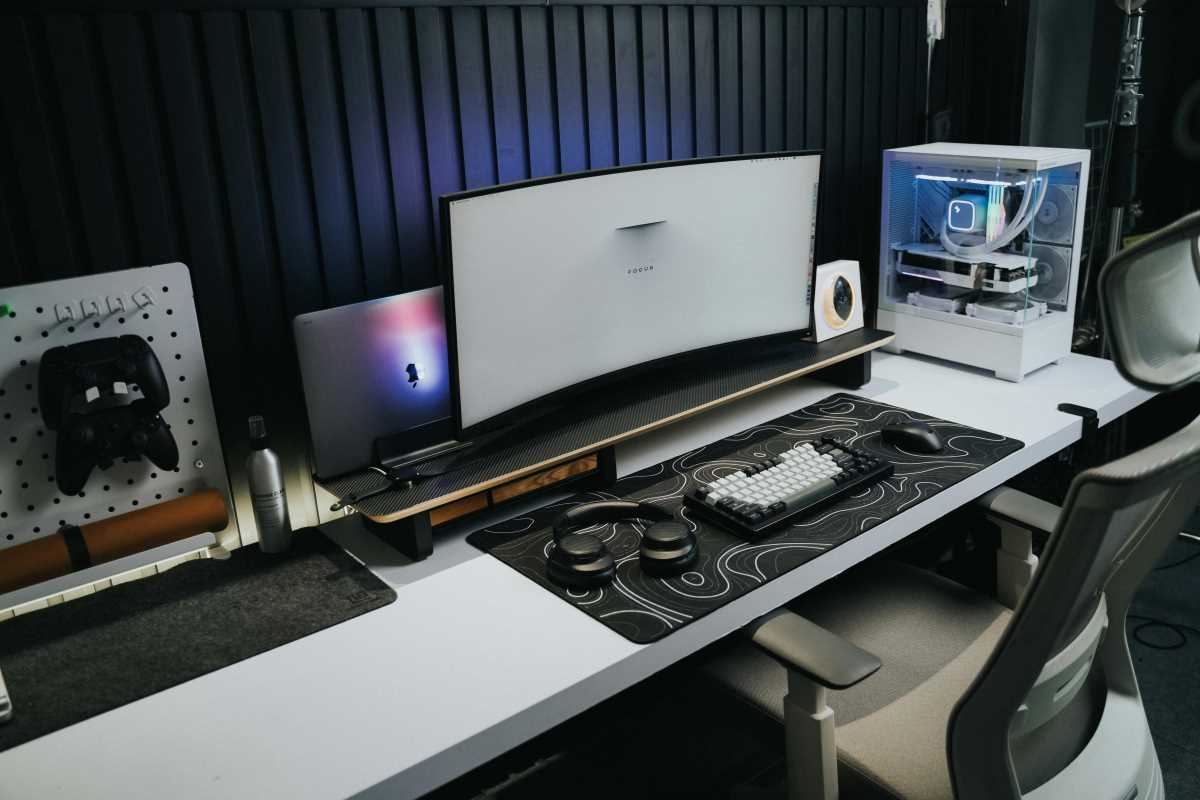
Let's look at your desk for a moment. Is it a bird's nest of tangled cables and plastic adapters? Wireless chargers are the simplest way to kill that clutter. But you shouldn't just buy the first cheap plastic puck you see online. The big shift in 2026 is the universal adoption of the Qi2 standard. This technology brings magnetic alignment to almost everyone, whether you are an iPhone devotee or an Android power user. It is like having a magnetic North Pole for your charging needs.
The main benefit of a Qi2 charging pad or stand is the elimination of the "alignment dance." We have all experienced that moment where we thought a phone was charging overnight, only to wake up to a dead battery because it was a millimeter off-center. Magnetic chargers fix this entirely. For a professional setup, a dedicated wireless charging stand is usually better than a flat pad. Why? Because it keeps your phone at an angle where you can see incoming notifications or take a FaceTime call without having to pick the device up and break the charging connection.
You also need to pay attention to wattage. Although older wireless chargers crawled along at 5W or 7.5W, modern Qi2 chargers deliver a consistent 15W. It still isn't as fast as a high-end cable, but for a desk where your phone sits for hours at a time, it's the perfect "trickle" to keep you at 100 percent. If you use multiple devices, look for 3-in-1 stations that can handle your phone, your watch, and your earbuds all at once. It turns three messy cables into one sleek footprint.
Power Banks as the Ultimate Travel and Commute Companion
When you step out of the office, the rules of the game change. You no longer have the luxury of slow, convenient charging. You need raw capacity and high-speed output. This is where the power bank becomes your most important tool. But before you grab the biggest battery you can find, you need to know about the "magic number" for air travel.
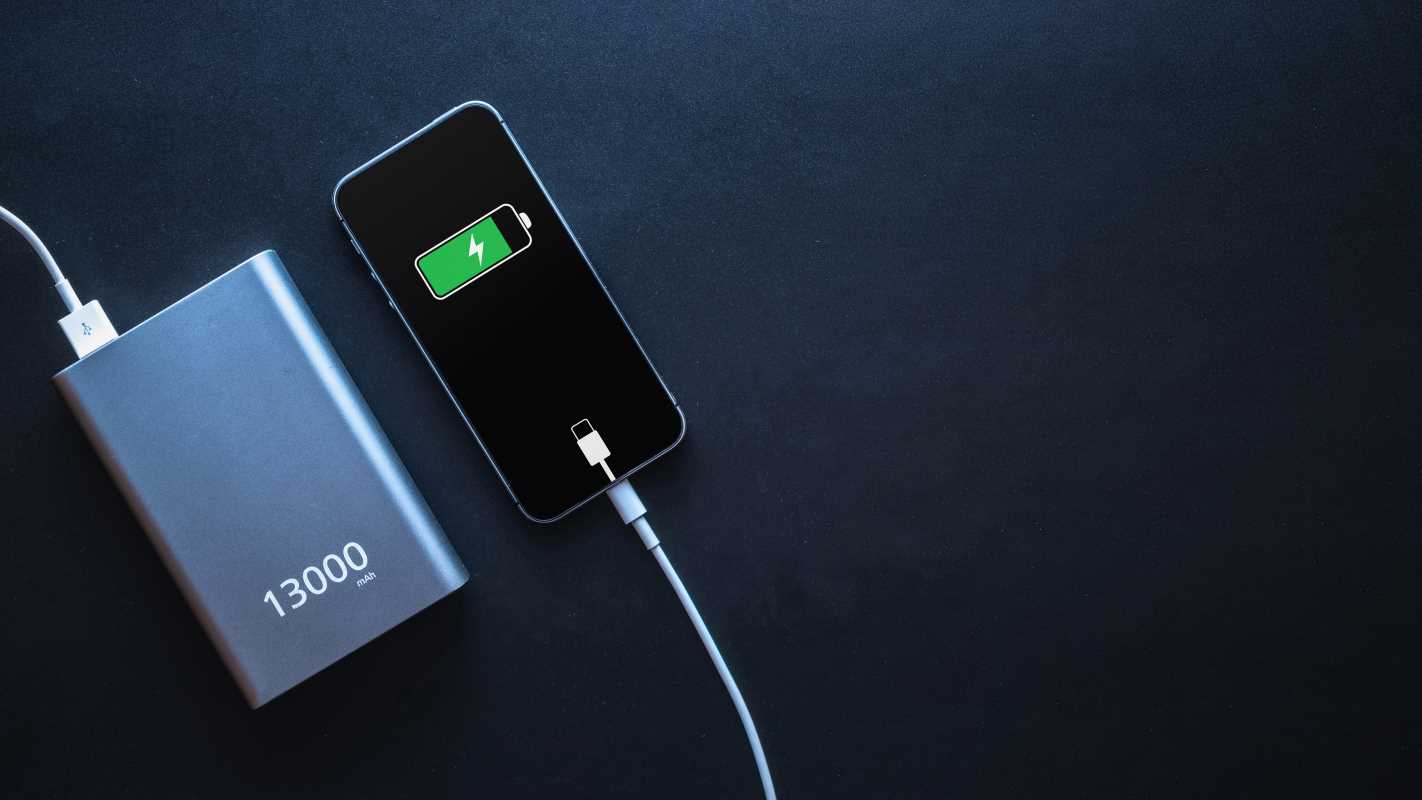
The TSA and international aviation authorities generally limit lithium-ion batteries to 100 Watt-hours (Wh). If you go over that limit without prior airline approval, you risk having your expensive gear confiscated at security. Most professional-grade power banks, like the Anker Prime series, are designed to sit right at 99.54Wh. This gives you the maximum legal capacity, roughly 27,000mAh, which is enough to charge a laptop once or a smartphone five or six times.
Speed is just as important as capacity. You want a bank that supports Power Delivery (PD). This is a smart communication protocol that allows the battery to "talk" to your device and negotiate the fastest safe speed. For a busy professional, a power bank that can output 65W or 100W is needed because it allows you to charge a MacBook or a high-end Dell XPS at full speed. There is nothing worse than plugging in a cheap battery and realizing it is only slowing the drain rather than actually filling the tank.
The Seamless Ecosystem and Integrating Wireless and Portable Power
The real pro move isn't just owning these tools. It is about how you integrate them into a single, seamless workflow. You should look for a power bank that supports "pass-through" charging. This means you can plug the bank into the wall at night, plug your phone into the bank, and both will be charged by morning. It effectively turns your portable battery into a travel hub, reducing the number of wall adapters you need to pack in your briefcase.
Durability is the other factor that separates consumer toys from professional tools. If you are traveling fifty weeks a year, a flimsy plastic power bank won't last six months. Look for aluminum casings and reinforced ports. Your gear is going to be shoved into backpack pockets, dropped on airport floors, and subjected to the heat of a parked car. It needs to be built like a tank.
You should also consider the cables you carry. A 100W PD power bank is completely useless if you are using a cheap cable you found at a gas station. You need E-Marker rated cables that are specifically designed to handle high-wattage throughput. It is the digital equivalent of trying to push a fire hose's worth of water through a drinking straw. If the cable is the bottleneck, your expensive power bank is just a heavy paperweight.
Expert Picks for 2026 and Your Final Power Checklist
Choosing the right gear depends on your specific travel profile. If you are a light commuter who just needs to survive a train ride, a slim 10,000mAh bank that fits in a jacket pocket is plenty. But if you are a road warrior who works from planes and hotel lobbies, you need the heavy hitters.
- Anker MagGo Wireless Charging Station: This is the current gold standard for travel. It is a foldable 3-in-1 design that collapses to the size of a deck of cards but can fast-charge an iPhone, an Apple Watch, and AirPods simultaneously.
- Anker Prime 27,650mAh Power Bank: This is the "big gun" for laptop users. It offers 250W of total output and sits just under the TSA limit for carry-on luggage.¹ It even has a smart app to monitor how much health your battery has left.
- Twelve South Butterfly: This is the world's smallest 2-in-1 Qi2 charger. It is a premium aluminum puck that is perfect for professionals who want to pack as light as possible without sacrificing the convenience of magnetic charging.
Before you make your final purchase, run through this quick checklist. Does the power bank clearly list its Watt-hour (Wh) rating on the exterior? If the TSA agent can't read it, they can take it. Does your wireless charger support the Qi2 standard for maximum compatibility? Finally, are you using high-wattage PD cables to make sure you are actually getting the speeds you paid for? If you can answer yes to all three, you are ready to stay charged no matter where your work takes you.