Have you ever sat down at your desk, opened your laptop, and felt absolutely nothing? No spark. No drive. Just a blank screen and a beige wall staring back at you. We've all been there. It's that mid-week slump where your surroundings feel more like a cubicle cage than a creative hub. That is exactly why you need an inspiration board! It isn't just about pinning up pretty pictures of offices you'll never own. It's about building a visual engine that drives your daily output. Think of it like a GPS for your professional life. Without it, you're just driving in circles.
Why Your Home Office Needs a Vision Beyond Just Decoration
Most people treat their home office like an afterthought. They throw a desk in a spare room, grab a chair from the dining table, and call it a day. But your brain doesn't work that way. There is a real psychological power in visual planning. When you see your goals and aesthetic preferences laid out in front of you, your brain starts to make connections it wouldn't otherwise.
A functional inspiration board is different from a standard mood board. A mood board is just a "vibe." A functional board is a roadmap. It helps you define your design goals so you don't end up making costly mistakes. Have you ever bought a piece of furniture that looked great in the store but felt totally wrong in your room? A dedicated board prevents that by forcing you to see how everything fits together before you spend a dime.
By having a dedicated visual guide, you focus your energy. It keeps you on track when you're tempted to buy that neon sign that doesn't actually fit your brand. It's about intentionality. An organized, visually-aided workspace can boost your productivity by up to 30 percent, which is a massive jump for just hanging some things on a wall.
High Impact Inspiration Boards and What to Include
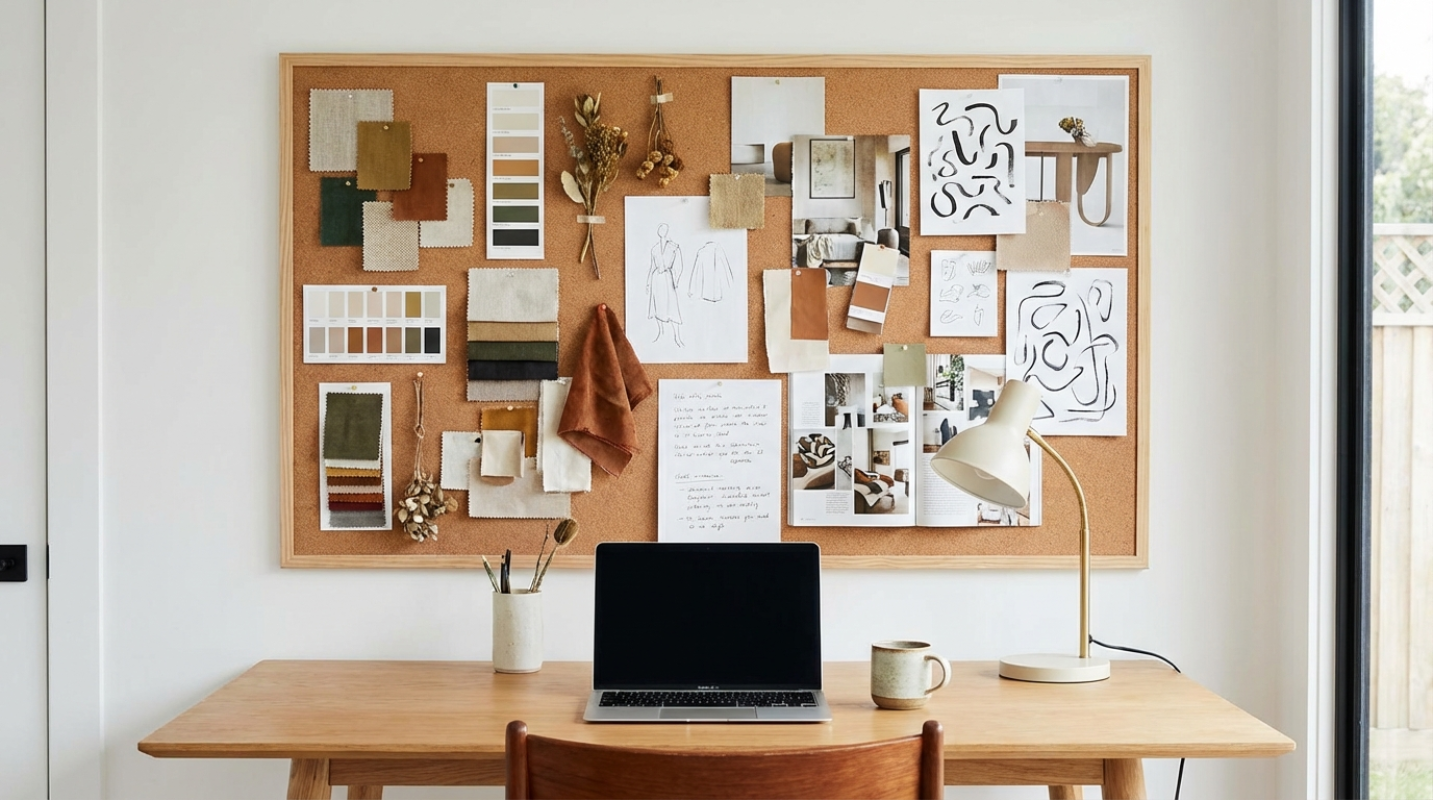
So, what actually goes on this thing? You want to start with a color palette that works for your specific type of labor. If you do deep, focused work, you might want to look at "Blue Nova" or "Upward," which is a breezy blue from Sherwin-Williams.These colors are known to reduce eye strain and help you concentrate. If your job is more about brainstorming and high energy, maybe a splash of "Peach Fuzz" is the way to go.
Don't stop at colors. You need texture. Incorporate material swatches like linen-covered cork, wooden pegboard scraps, or even a piece of recycled felt. These tactile elements provide a sensory balance that prevents your office from feeling like a cold, digital box. It's about bringing the outside in, a trend we've seen grow massively through 2026.
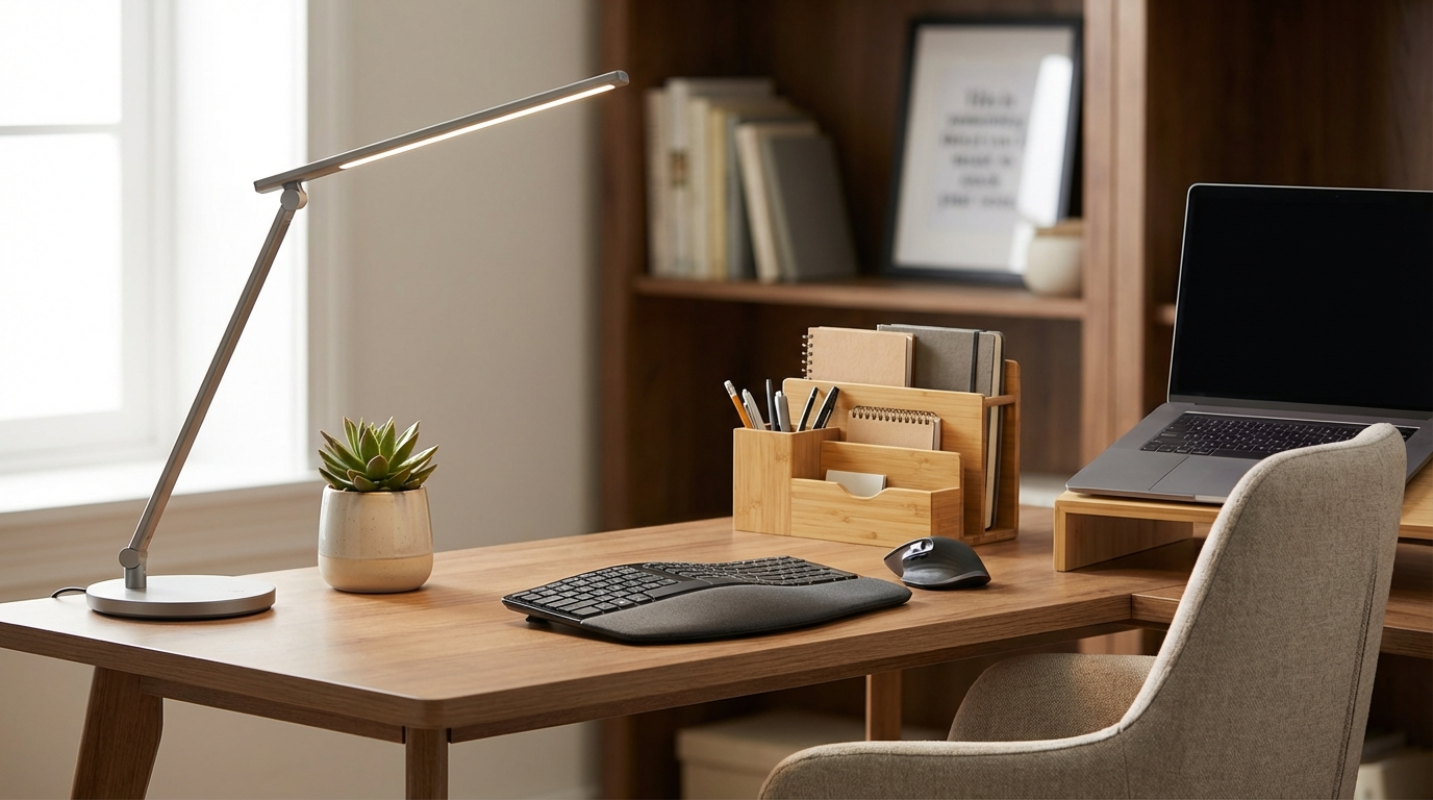
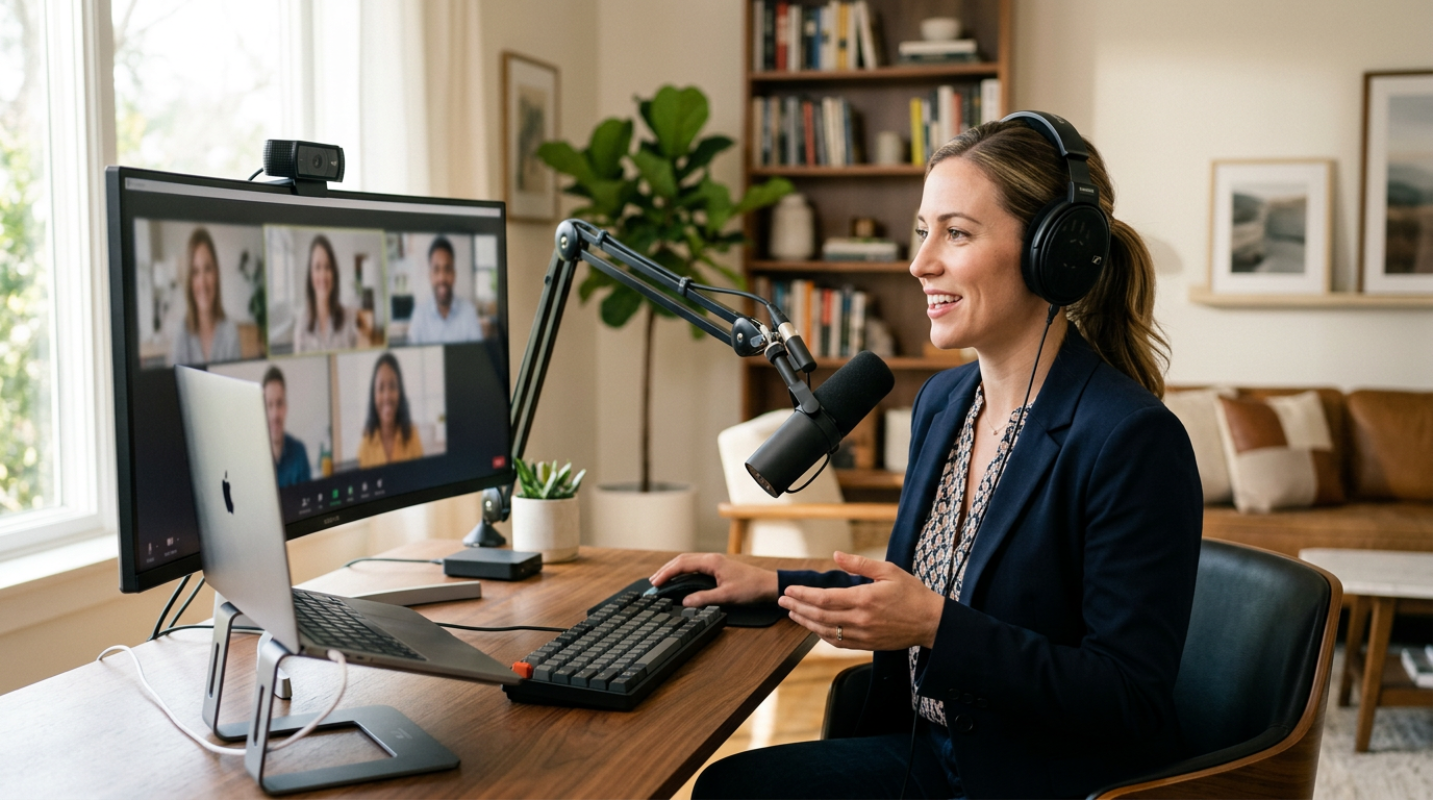
You should also integrate functional elements. Pin up examples of lighting you like or organization hacks you want to try. Since over half of us are in hybrid roles now, consider how your board looks as a Zoom background. It doubles as professional decor that reflects your personal brand to colleagues and clients.
Digital vs Physical Choosing Your Inspiration Medium
This is the big debate. Do you go digital or keep it physical? Both have their perks. Digital boards like Pinterest, Miro, or Milanote are great because they offer infinite space. You can access them anywhere, and they're perfect if you're collaborating with a designer. They're the digital equivalent of an endless filing cabinet.
But physical boards have a magic that screens can't replicate. A physical corkboard or pegboard offers immediate engagement. You see it every time you look up from your monitor, which provides a necessary visual break and reduces screen fatigue. Harvard Business Review found that 70 percent of remote workers report better focus when they have a dedicated, personalized visual environment.
The best approach is often a hybrid one. Use digital tools to gather a massive amount of ideas, then print the "best of the best" for your physical board. You can even use smart whiteboards that sync your physical notes to the cloud. This gives you the tactile benefit of a real board with the backup of a digital one.
Top Recommendations
If you're looking to upgrade your setup, here are the tools and trends making waves right now.
• Linen Covered Corkboards, These offer a chic, high-end look while providing a soft texture that absorbs sound in a quiet office.
• Milanote, The gold standard for creative professionals who need to organize complex ideas in a flexible, visual way.
• Biophilic Pegboards, Using wooden pegboards with small plants or preserved moss inserts helps bring a natural, calming element to your desk area.
• The Kanban Grid, A functional layout where you divide your board into "To-Do," "Doing," and "Done" sections using color-coded cards.