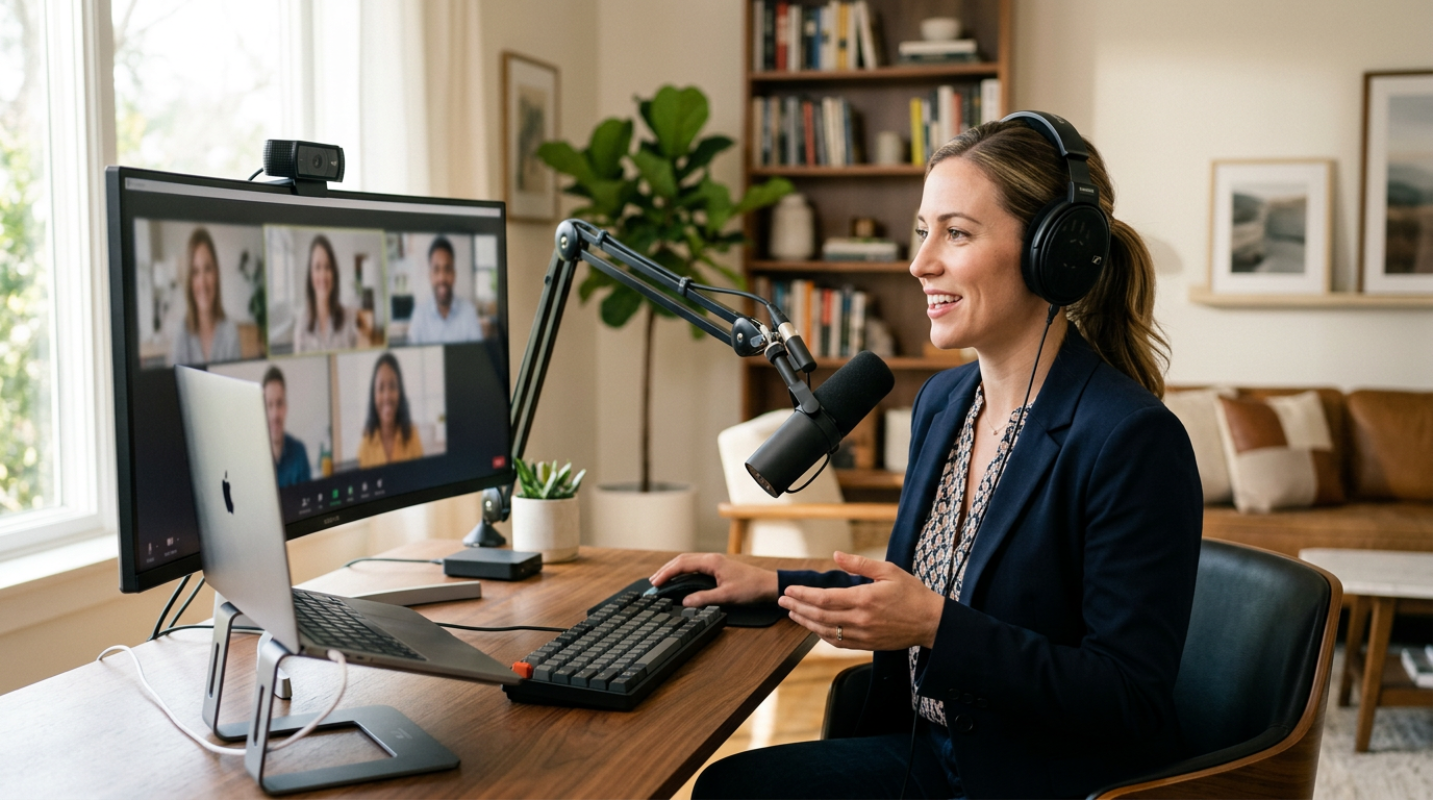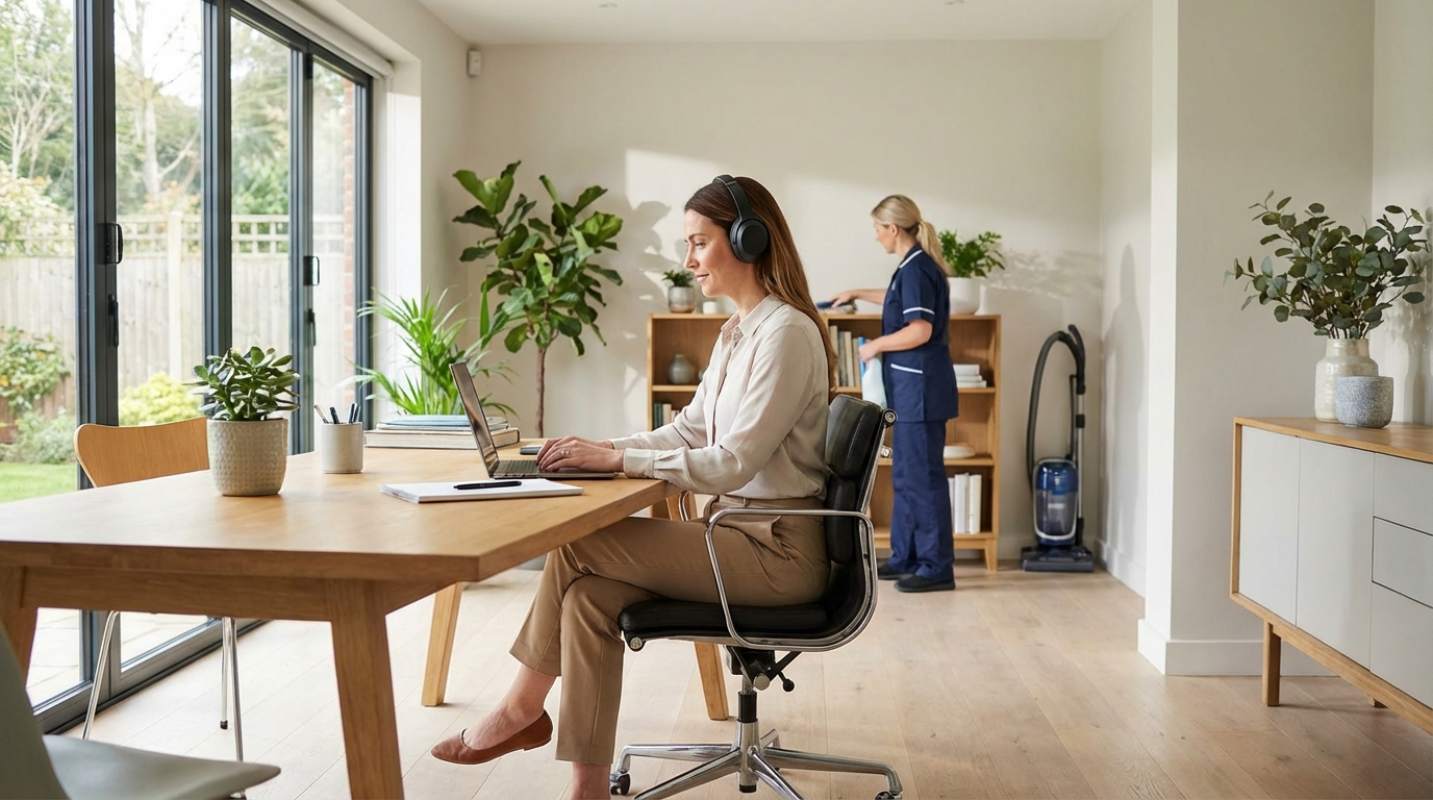
You're in the middle of a deep-focus session, finally cracking that complex project, when the roar of a vacuum cleaner erupts from the hallway. Just like that, your flow is gone. It's a scene played out in millions of homes every week. By 2026, the lines between our personal sanctuaries and our professional hubs have blurred for good. With roughly 22 million U.S. adults working fully remote and another 29% in hybrid roles, your living room is no longer just a place to binge-watch shows. It's a high-stakes office. The problem is that traditional cleaning models weren't built for a quiet office environment. A workflow interruption isn't just a loud noise. It's the mental friction of moving your laptop because someone needs to mop under your desk or the sensory overload of strong chemical smells during a client call. Outsourcing your cleaning isn't just about a tidy floor anymore. It's about reclaiming the focused time you need to actually do your job.
Choosing Cleaning Services That Respect Your Focus Hours
Have you ever tried to lead a Zoom presentation while a professional crew scrubs the kitchen ten feet away? It's stressful. The most effective way to avoid this is to look for services that offer true after-hours or weekend slots. Although these used to be premium "commercial-only" options, the WFH shift has forced residential cleaners to adapt. Early morning sessions that wrap up by 8:30 AM or late evening deep cleans are now standard for many top-tier providers.
If you can't do weekends, look for the room rotation approach. Companies like Molly Maid have refined this to an art form. Their teams can text you 15 minutes before they arrive to ask which room you're currently using. They'll either hit your office first while you take a quick coffee break or save it for the very end of the day. This simple bit of communication make sures you aren't playing a game of musical chairs with your desk and a mop bucket.
Low-Interruption Cleaning Tactics
Sometimes you need the house cleaned while you're actually at the desk. In these cases, you want a service that practices what I call invisible maintenance. This means focusing on silent or non-intrusive tasks during your peak hours. Think laundry services, exterior window cleaning, or organizing the pantry. These are high-value chores that don't involve heavy machinery or constant movement in your peripheral vision.
The equipment matters too. Ask your provider if they use quiet-mode technology. Modern professional vacuums can operate at around 60 to 62 decibels, which is about the volume of a normal conversation. Compare that to a standard 75-decibel machine that sounds like a jet engine taking off in your hallway. You should also request scent-free, eco-friendly products. Nothing kills a professional vibe faster than a massive cloud of bleach or artificial pine causing a headache halfway through your workday.
Automation and Communication Tools for Seamless Cleaning
We're living in an era where you shouldn't have to stop working just to let a cleaner in. Smart scheduling apps and remote key access are the new gold standards. Platforms like MyTCA or ZenMaid allow you to shift your cleaning window in real-time. If a meeting runs long, you can push the service back 30 minutes with a few taps on your phone.
Digital checklists are another game-changer. You can share a specific map of your home with "Do Not Disturb" zones highlighted for that day. This removes the need for a 10-minute walkthrough every time the crew arrives. By using smart locks or building codes, you can even choose a "While-You-Step-Out" model. Services like Vella specialize in this, arriving while you're at the gym or picking up the kids, making sure zero face-to-face interaction and zero workflow friction.
The ROI of Uninterrupted Focus
It's tempting to think you can just "tidy up" between meetings. But a 2026 survey found that 60% of remote workers admit to cleaning on the job, and nearly half are doing it during their lunch breaks. Although a five-minute break to load the dishwasher might feel like a mental reset, it often leads to cleaning procrastination. This is where you use household chores to avoid the difficult professional tasks you actually need to finish.
There's also a hidden risk here. Employment experts warn that spending significant "on-clock" time doing housework can actually lead to disciplinary issues or burnout. Think of a professional cleaning service as a productivity investment. When you quantify the cost of your hourly rate versus the cost of a cleaner, the math usually favors the professional. By delegating these tasks, you're not just getting a clean house. You're buying back the mental bandwidth to focus on your career without the nagging guilt of a messy kitchen staring you down.